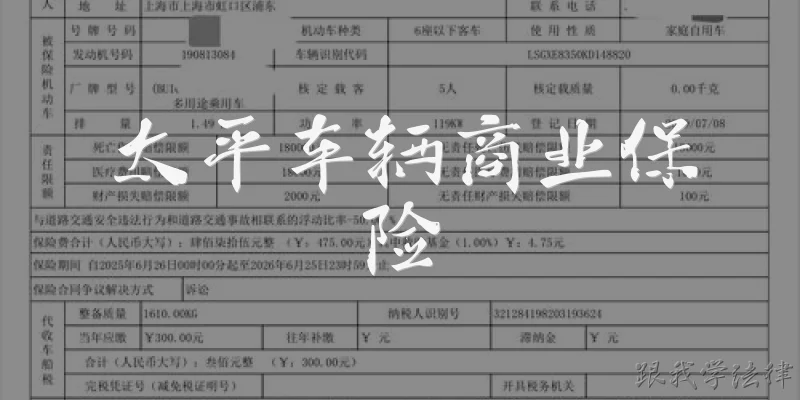
Vehicle installment balance:What is a vehicle installment balance and how does it work?
Q: What is a vehicle installment balance and how does it work?
A: A vehicle installment balance is the remaining amount you owe on a car loan when you purchase a vehicle using installment financing. When you finance a car, the lender pays the dealer on your behalf, and you agree to repay that amount plus interest through fixed monthly payments over a set term, typically 24 to 72 months. The installment balance represents the total outstanding debt at any given point, which decreases as you make each payment. Part of every payment goes toward interest, and the rest reduces your principal balance. Early in the loan, more of your payment covers interest, so the balance drops slowly. As time passes, a larger share goes toward principal. Understanding your vehicle installment balance matters because it determines your payoff amount, affects your equity in the car, and influences whether you can sell or trade in the vehicle without owing more than it is worth. Lenders provide statements or online portals so you can track this balance, and you can request a payoff quote for the exact amount needed to settle the loan in full on a specific date.
Q: How can I pay off my vehicle installment balance faster?
A: Paying off your vehicle installment balance faster can save you significant interest and free up your monthly budget. Start by checking whether your loan has a prepayment penalty; most auto loans do not, but confirming protects you from unexpected fees. Next, make additional principal-only payments whenever possible. Even small extra amounts, such as $50 or $100 per month, reduce the balance directly and shorten your loan term. You can also round up your monthly payment to the nearest hundred dollars, or make biweekly payments instead of monthly ones, which results in one extra full payment per year. If you receive a tax refund, bonus, or windfall, consider applying it to the principal. Another option is refinancing to a lower interest rate, which lowers the cost of carrying the balance and lets more of each payment reduce principal. Always inform your lender that extra funds should go to the principal, not toward future scheduled payments. Tracking your progress through your lender's online portal helps you stay motivated as the vehicle installment balance steadily shrinks.
Q: What happens if I still have a vehicle installment balance when I want to sell the car?
A: If you still have a vehicle installment balance when you want to sell or trade in your car, you cannot simply hand over the title because the lender holds it as collateral until the loan is paid off. The process depends on whether your car is worth more or less than the outstanding balance. If the sale price exceeds the payoff amount, you can use the buyer's payment to settle the loan, and the lender will release the title so it can be transferred. You may need to coordinate with the lender and the buyer to handle paperwork smoothly. If the balance is higher than the car's value, you have negative equity, meaning you must pay the difference out of pocket before the title can be released. Some sellers roll negative equity into a new loan when trading in, but this increases the new vehicle installment balance. To avoid complications, request a written payoff quote from your lender that is valid for a specific number of days, since interest accrues daily. Being upfront with buyers about the loan status helps build trust and ensures a smoother transaction for everyone involved.
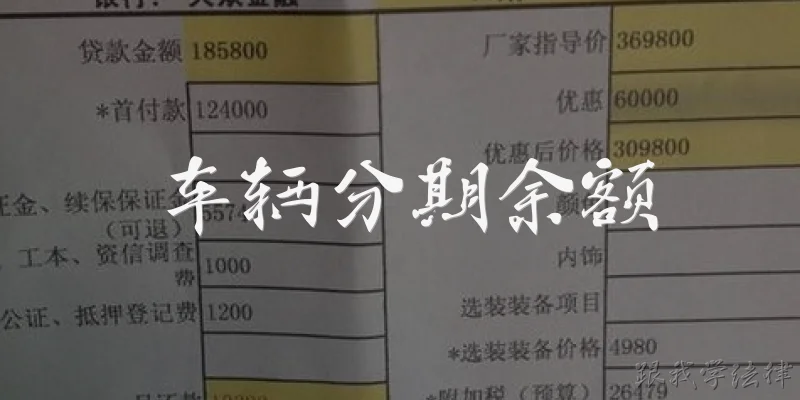
Dialogue about
Common scenarios of "Vehicle installment balance"
【Customer】 Hi, I received a notice saying my vehicle installment balance is past due. Can you tell me how much I owe?
【Agent】 I can help with that. Can you please provide your account number or the vehicle identification number (VIN)?
【Customer】 Sure, my account number is 123456789.
【Agent】 Thank you. Let me pull up your account. One moment please.
【Customer】 Okay.
【Agent】 I see your account. Your current outstanding balance is $4,500. That includes the remaining principal, accrued interest, and a late fee.
【Customer】 Wow, that's higher than I expected. Can you break down the amounts?
【Agent】 Of course. The remaining principal is $4,200, accrued interest is $200, and the late fee is $100.
【Customer】 I see. I thought I had paid ahead. Is there any way to waive the late fee?
【Agent】 I can check if you qualify for a one-time late fee waiver. Have you had any late payments in the past 12 months?
【Customer】 No, this is the first time.
【Agent】 In that case, I can submit a request to waive the late fee. It may take 1-2 business days to process.
【Customer】 That would be great. Also, can I pay the remaining balance in installments instead of a lump sum?
【Agent】 Yes, we can set up a payment plan. How much can you pay monthly?
【Customer】 Maybe $500 per month. Would that work?
【Agent】 That would clear the balance in 9 months. However, interest will continue to accrue on the outstanding balance. Would you like to proceed with that plan?
【Customer】 Yes, please set that up. What do I need to do?
【Agent】 I'll email you a payment plan agreement. You need to sign it and set up automatic payments from your bank account. The first payment will be due on the 1st of next month.
【Customer】 Okay, I'll look out for the email. Thank you for your help.
【Agent】 You're welcome. If you have any other questions, feel free to call us. Have a great day!