
Preschool Education Law:What is the Preschool Education Law and why does it matter in 2026?
Q: What is the Preschool Education Law and why does it matter in 2026?
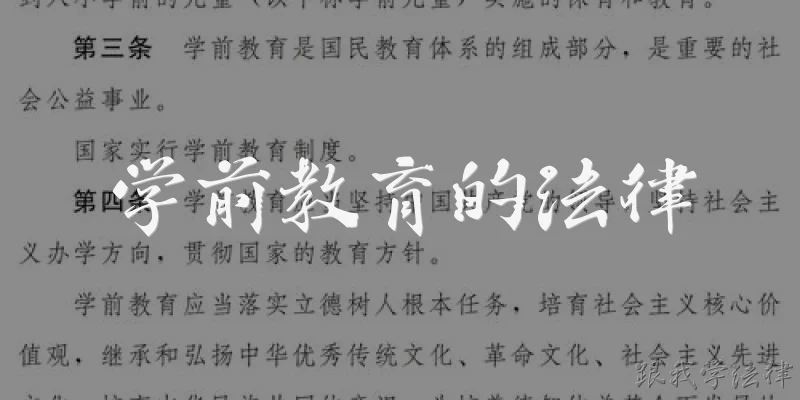
A: The Preschool Education Law is a landmark piece of legislation that formally recognizes early childhood education as a distinct and essential stage of the national education system rather than mere childcare. Although China's Preschool Education Law took effect on June 1, 2025, 2026 marks its first full academic year of implementation, making it a pivotal moment for gauging real-world impact. The law establishes preschool education as a public-benefit undertaking, clarifies the government's leading responsibility, and sets standards for teacher qualifications, salaries, and professional development. It also bans inappropriate educational practices such as advanced academic drilling in kindergartens, protecting young children's right to play-based learning. For families, the law strengthens protections around enrollment, safety, and fee transparency, while for educators it offers clearer career pathways and legal status. In 2026, provincial governments are releasing detailed implementation rules, funding mechanisms, and inspection frameworks, so the law is shifting from principle to practice. Understanding it helps parents, teachers, and administrators navigate a rapidly professionalizing sector and ensures children receive high-quality, developmentally appropriate early education.
Q: How does the Preschool Education Law affect teachers and kindergarten staff in 2026?
A: In 2026, the Preschool Education Law is reshaping the working lives of kindergarten teachers and staff in several concrete ways. First, it mandates that teachers hold proper qualifications and complete ongoing professional training, with provincial authorities rolling out upgraded certification and recertification systems this year. Second, the law requires governments to ensure reasonable salaries, social insurance, and benefits for preschool educators, addressing long-standing complaints about low pay and high turnover. Many localities are now linking public kindergarten teacher pay to comparable compulsory-education positions, which improves recruitment and retention. Third, the law strengthens protections against unfair dismissal and clarifies staffing ratios, giving teachers more job security and manageable class sizes. It also emphasizes child protection duties, requiring staff to undergo background checks and safeguarding training. For career development, the law encourages a separate title-evaluation track for preschool teachers, distinct from primary and secondary school systems. At the same time, educators face new accountability: inspections, parental feedback mechanisms, and compliance reviews are more rigorous in 2026. Overall, the law professionalizes the workforce while demanding higher standards, so teachers should stay informed about local implementation rules and take advantage of funded training opportunities to advance their careers.
Q: What changes can parents expect from the Preschool Education Law in 2026?
A: For parents, 2026 brings several tangible changes under the Preschool Education Law. Enrollment becomes more transparent and equitable: local governments are expanding public and affordable private kindergarten slots, and many areas now use unified online registration to reduce waiting lists and informal fees. Fee regulation is tighter, with provincial caps on tuition and clearer rules on what kindergartens may charge, helping families budget and avoid hidden costs. The law also reinforces safety and health standards, including food safety, facility inspections, and emergency protocols, so parents can expect more frequent public reporting on kindergarten compliance. Curriculum-wise, the law discourages early academic pressure and promotes play-based, holistic development, meaning parents may see less homework-style drilling and more activity-based learning. Additionally, the law strengthens home-kindergarten communication, encouraging parent committees and open-day systems. For families with children with disabilities, the law pushes inclusive education, requiring reasonable accommodations and support services. If disputes arise, parents have clearer complaint channels through education bureaus and legal remedies. In 2026, as local implementation rules take shape, parents should check their municipal education bureau's website for specific enrollment timelines, fee schedules, and quality-rating information to make informed choices for their children.
Dialogue about
Common scenarios of "Preschool Education Law"
【Parent】 Hi, I've been hearing a lot about the Preschool Education Law lately. What exactly is it?
【Expert】 The Preschool Education Law is a new legislation that aims to regulate and promote preschool education. It covers areas like access, quality, teacher qualifications, and funding.
【Parent】 When did it come into effect?
【Expert】 It was passed in 2023 and will take effect on June 1, 2024. It's a significant step for early childhood education.
【Parent】 What are the key provisions that parents should know about?
【Expert】 Some key points include: ensuring affordable and accessible preschool for all children, setting standards for teacher certification, and requiring safety and health protocols in preschools.
【Parent】 Does it make preschool mandatory?
【Expert】 No, it doesn't make preschool compulsory, but it emphasizes the government's responsibility to provide inclusive and equitable preschool education.
【Parent】 How will this affect the cost of preschool?
【Expert】 The law aims to increase public funding and subsidies, which should help reduce the financial burden on families. It also encourages the establishment of more public and affordable private preschools.
【Parent】 What about teacher qualifications? Will my child's teacher need to meet new standards?
【Expert】 Yes, the law sets higher qualification requirements for preschool teachers, including a minimum of a college degree in early childhood education and ongoing professional development.
【Parent】 That sounds good. What about safety and health standards?
【Expert】 The law mandates strict safety and health regulations, such as regular inspections, emergency protocols, and health screenings for staff and children.
【Parent】 Are there any provisions for children with special needs?
【Expert】 Absolutely. The law promotes inclusive education and requires preschools to accommodate children with disabilities and provide necessary support.
【Parent】 How will the law be enforced?
【Expert】 It will be enforced through government oversight, periodic evaluations, and penalties for non-compliant institutions. Parents can also report violations to authorities.
【Parent】 Thanks for the information. I feel more informed now.
【Expert】 You're welcome. It's important for parents to stay informed about such changes to ensure the best for their children.