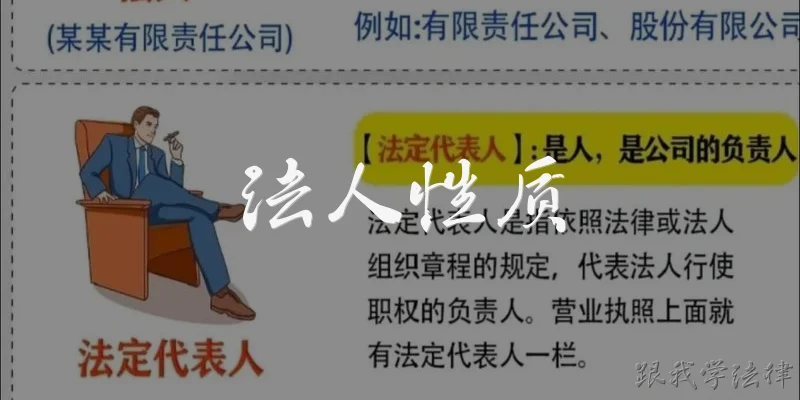
Agreement Between the Legal Representative and Shareholders:What is an agreement between the legal representative and shareholders?
Q: What is an agreement between the legal representative and shareholders?
A: An agreement between the legal representative and shareholders is a contract that defines the rights, duties, and expectations of the company's legal representative and its shareholders. It typically covers decision-making authority, profit distribution, liability, and conflict resolution. This agreement helps align interests, prevent disputes, and ensure smooth governance. It is common in startups and small businesses where the legal representative may also be a founder or key manager. By clarifying roles, it reduces legal risks and provides a framework for handling issues like resignation, removal, or changes in shareholding.
Q: Why is an agreement between the legal representative and shareholders important?
A: Such an agreement is important because it establishes clear boundaries and responsibilities, preventing misunderstandings that could harm the company. It protects both parties by specifying what the legal representative can and cannot do, and what shareholders are entitled to. Without it, disputes over authority, compensation, or liability may arise, leading to costly litigation. It also ensures compliance with corporate laws and enhances investor confidence. In essence, it serves as a governance tool that promotes stability, accountability, and long-term success for the business.
Q: What key clauses should be included in an agreement between the legal representative and shareholders?
A: Key clauses include the scope of the legal representative's authority, duties, and limitations; remuneration and benefits; term and termination conditions; indemnification and liability; confidentiality; non-compete and non-solicitation; dispute resolution mechanisms; and procedures for amending the agreement. Additionally, clauses on shareholder rights, such as voting and profit sharing, and on the legal representative's reporting obligations are essential. These clauses should be tailored to the company's size, industry, and legal jurisdiction to ensure enforceability and relevance.
Q: How does an agreement between the legal representative and shareholders affect corporate governance?
A: It significantly strengthens corporate governance by formalizing the relationship between the legal representative and shareholders. It clarifies decision-making processes, reduces the risk of unilateral actions, and ensures that the legal representative acts in the best interest of the company and its shareholders. This agreement also facilitates checks and balances, as shareholders can hold the legal representative accountable. Moreover, it helps in complying with regulatory requirements and can be used as evidence in legal proceedings. Overall, it promotes transparency, trust, and efficient management.
Q: What are the potential risks if no agreement exists between the legal representative and shareholders?
A: Without an agreement, the legal representative and shareholders may face uncertainty regarding authority, leading to power struggles, mismanagement, or even fraud. Shareholders might be unable to control the legal representative's actions, and the representative could be exposed to personal liability. Disputes over profits, exit strategies, or company direction may escalate, harming the business. Legal challenges could arise due to lack of clear terms, resulting in financial loss and reputational damage. Therefore, a written agreement is highly recommended to mitigate these risks.

Dialogue about
Common scenarios of "Agreement Between the Legal Representative and Shareholders"
【Legal Counsel】 Good morning, everyone. Thank you for attending this meeting to discuss the agreement between the legal representative and the shareholders. The purpose of this agreement is to clarify the roles, responsibilities, and relationship between the legal representative and the shareholders, ensuring smooth corporate governance.
【Shareholder A】 Thank you for organizing this. I have some concerns about the scope of authority granted to the legal representative. Could you elaborate on what specific powers the legal representative will have under this agreement?
【Legal Counsel】 Certainly. The agreement typically outlines the legal representative's authority to act on behalf of the company in legal and contractual matters, such as signing contracts, representing the company in legal proceedings, and dealing with government authorities. However, major decisions like mergers, acquisitions, or major asset disposals would still require shareholder approval.
【Shareholder B】 I see. But how do we ensure that the legal representative doesn't exceed their authority? Are there checks and balances in place?
【Legal Counsel】 Yes, the agreement includes provisions for internal approval processes. For instance, any transaction above a certain threshold must be approved by the board or shareholders. Additionally, the legal representative has a fiduciary duty to act in the best interest of the company and can be held liable for any misuse of power.
【Legal Representative】 I'd like to add that I fully understand the importance of these checks. I have no intention of overstepping my bounds. However, I do need some flexibility to make quick decisions in urgent matters, such as responding to lawsuits or regulatory inquiries. How can we balance that?
【Shareholder A】 That's a valid point. Perhaps we can define an emergency protocol where the legal representative can act immediately but must report to the shareholders within a short timeframe, say 48 hours, for ratification.
【Legal Counsel】 That's a good suggestion. We can include a clause for emergency actions. The legal representative would need to document the urgency and notify shareholders promptly. If the action is not ratified, the legal representative could be held personally liable, but that's a risk they take.
【Shareholder B】 What about the term of the agreement? Should it be indefinite or for a fixed period? And how can it be terminated?
【Legal Counsel】 Typically, the agreement is for a fixed term, say three years, with automatic renewal unless either party gives notice. Termination can occur by mutual agreement, or by shareholders with a majority vote if the legal representative breaches the agreement. We should also specify the consequences of termination, such as the handover of documents and responsibilities.
【Legal Representative】 I would also like to discuss indemnification. If I act in good faith and within my authority, I should be protected from personal liability. Can we include an indemnification clause?
【Shareholder A】 That seems fair. But we need to define 'good faith' and 'within authority' clearly to avoid disputes. The agreement should specify that indemnification applies only if the legal representative has not acted negligently or fraudulently.
【Legal Counsel】 Absolutely. We can draft an indemnification clause that covers legal expenses and liabilities arising from the performance of duties, except in cases of gross negligence or willful misconduct. This is standard in such agreements.
【Shareholder B】 What about confidentiality? The legal representative will have access to sensitive information. We need to ensure they don't disclose it.
【Legal Counsel】 Yes, a confidentiality clause is essential. It would prohibit the legal representative from disclosing any non-public information about the company, both during and after the term of the agreement. Breach of confidentiality would be grounds for termination and legal action.
【Legal Representative】 I agree to that. I also want to clarify the reporting requirements. How often should I report to the shareholders, and in what format?
【Shareholder A】 Quarterly reports would be reasonable, with an annual comprehensive review. The reports should cover any legal actions, contracts signed, and potential risks. We can leave the format flexible but require key details.
【Legal Counsel】 I'll draft a reporting schedule and template. It's also good to have ad hoc reporting for significant events. This ensures transparency and allows shareholders to exercise oversight.
【Shareholder B】 One more thing: dispute resolution. If there's a disagreement between the legal representative and shareholders, how do we handle it? Arbitration or litigation?
【Legal Counsel】 I recommend arbitration as it's usually faster and more confidential. We can include a clause specifying that disputes will be resolved through binding arbitration in accordance with the rules of a recognized arbitration institution. This avoids lengthy court battles.
【Legal Representative】 I'm comfortable with arbitration. It seems we've covered the key points. I look forward to reviewing the draft agreement.
【Shareholder A】 Yes, thank you all. Please prepare the draft and circulate it for our review. We'll reconvene to finalize and sign.