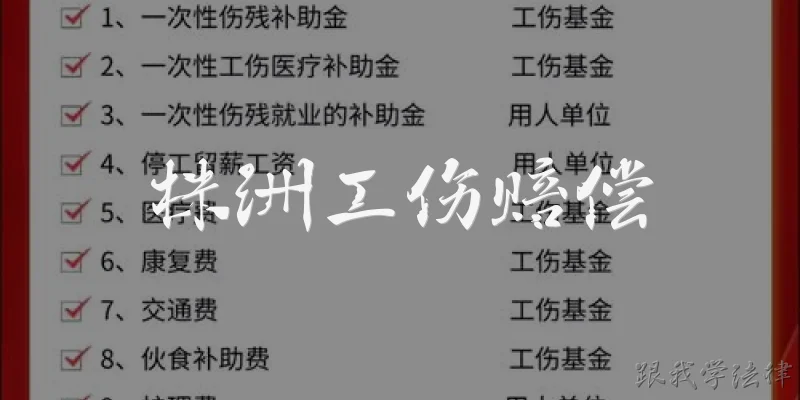
Court work injury compensation:What is court work injury compensation and when can an employee file a lawsuit?
Q: What is court work injury compensation and when can an employee file a lawsuit?
A: Court work injury compensation refers to the legal process where an employee seeks damages through a civil lawsuit for injuries sustained on the job, rather than relying solely on workers' compensation benefits. Typically, workers' compensation is the exclusive remedy, meaning you cannot sue your employer. However, there are exceptions: if the employer intentionally caused harm, if the injury was caused by a third party (like a contractor or manufacturer), or if the employer does not carry workers' compensation insurance. In these cases, you can file a personal injury lawsuit in court. The compensation sought may include medical expenses, lost wages, pain and suffering, and punitive damages. It is advisable to consult a qualified attorney to determine if you have a valid court claim.
Q: What types of damages can be recovered in a court work injury compensation case?
A: In a court work injury compensation case, damages are broadly categorized into economic and non-economic losses. Economic damages include past and future medical bills, rehabilitation costs, lost wages, and reduced earning capacity. Non-economic damages cover pain and suffering, emotional distress, loss of enjoyment of life, and in some cases, loss of consortium for a spouse. If the employer's conduct was particularly egregious, punitive damages may also be awarded to punish and deter similar behavior. Unlike workers' compensation, which provides limited benefits regardless of fault, a court lawsuit allows you to recover the full extent of your losses if you can prove negligence or intentional wrongdoing. However, you must file within the statute of limitations, usually two to three years from the injury date.
Q: How does a court work injury compensation lawsuit differ from a workers' compensation claim?
A: A workers' compensation claim is a no-fault system where you receive benefits for medical care and a portion of lost wages, regardless of who caused the injury. You cannot sue your employer in most cases, and you typically cannot recover pain and suffering. In contrast, a court work injury compensation lawsuit requires you to prove that a third party or your employer (under limited exceptions) was negligent or intentionally at fault. You may recover a wider range of damages, including pain and suffering and punitive damages, but the process is more complex, time-consuming, and carries the risk of losing at trial. Additionally, if you receive workers' compensation benefits and then win a third-party lawsuit, you may have to reimburse the workers' compensation insurer from your settlement or judgment.
Q: What steps should an employee take to pursue court work injury compensation?
A: To pursue court work injury compensation, first document everything: report the injury to your employer immediately and seek medical attention. Collect evidence such as photos, witness statements, and incident reports. Next, consult a personal injury attorney who specializes in work injuries to evaluate whether you have a valid third-party or intentional tort claim. Your attorney will file a complaint in civil court within the statute of limitations. The discovery process follows, including depositions and interrogatories. Many cases settle before trial, but if not, you may go to court. Be aware that if you also filed a workers' compensation claim, you must protect that claim while pursuing the lawsuit. Finally, keep detailed records of all expenses, lost income, and pain and suffering to support your damages claim.
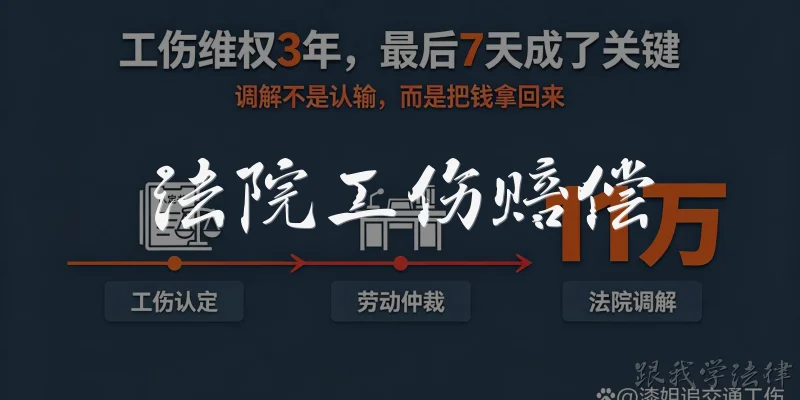
Dialogue about
Common scenarios of "Court work injury compensation"
【Client】 Hello, I'm here to discuss a court work injury compensation case. I was injured on the job last month.
【Lawyer】 I'm sorry to hear about your injury. Can you provide me with some details about the accident and your employment situation?
【Client】 I work as a construction worker. I fell from a scaffolding because the safety harness was faulty. I broke my leg and needed surgery.
【Lawyer】 That sounds serious. Have you filed a workers' compensation claim with your employer's insurance?
【Client】 Yes, I filed a claim, but the insurance company denied it, saying I was negligent. I think that's unfair.
【Lawyer】 In work injury cases, negligence can be contested. We may need to gather evidence to prove the employer's liability, such as maintenance records for the harness.
【Client】 I have some photos of the faulty harness and witness statements from coworkers. Would that help?
【Lawyer】 Absolutely. Those are crucial. We'll also need your medical records and any communication with the insurance company. Have you received any compensation yet?
【Client】 No, I haven't. I'm struggling financially because I can't work. How long does the court process take?
【Lawyer】 It varies, but typically several months to a year. We can also seek temporary disability benefits while the case is pending.
【Client】 What are the chances of winning? I've heard these cases can be tough.
【Lawyer】 With strong evidence, your chances are good. We'll need to prove that the employer failed to provide a safe work environment. Your coworkers' testimonies will be key.
【Client】 My employer is a large construction company. Do you think they'll try to settle?
【Lawyer】 Possibly. Many companies prefer to settle to avoid court costs and bad publicity. We can negotiate a settlement that covers your medical bills, lost wages, and pain and suffering.
【Client】 That sounds reasonable. What should I do next?
【Lawyer】 First, we'll file a formal complaint with the court. I'll need you to sign a retainer agreement and provide all the documents you mentioned. Then we'll proceed with discovery and possibly mediation.
【Client】 Okay. How much will your services cost?
【Lawyer】 We work on a contingency fee basis, typically 33% of the settlement or award. You won't pay anything upfront.
【Client】 That's a relief. I'll gather all the paperwork and get back to you soon.
【Lawyer】 Great. I'll schedule a follow-up meeting to review everything. In the meantime, avoid discussing the case with your employer or their insurance adjusters without legal representation.