Elderly Inheritance Transfer Procedures:What are the basic procedures for elderly inheritance transfer?
Q: What are the basic procedures for elderly inheritance transfer?
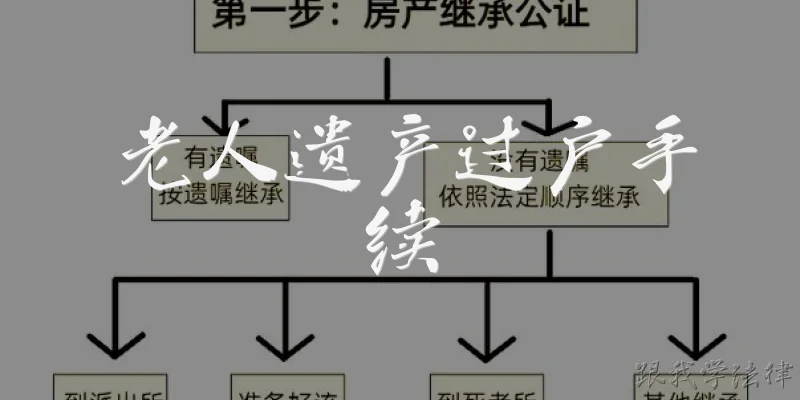
A: The basic procedures for elderly inheritance transfer begin with obtaining a death certificate from a hospital or local authorities. Next, locate a valid will or determine legal heirs under intestacy laws. Then, gather necessary documents such as property deeds, bank statements, and identification papers. After that, apply for an inheritance certificate at a notary public office or court. Finally, present this certificate to relevant institutions like banks, land registries, or vehicle departments to officially transfer assets. The entire process may take several weeks to months, depending on asset complexity and local regulations, so consulting a legal professional is often advisable.
Q: What documents are required for elderly inheritance transfer in most jurisdictions?
A: Commonly required documents include the deceased's death certificate, a valid will if one exists, and proof of identity for all heirs. You also need documents proving the relationship between the deceased and heirs, such as birth certificates or marriage licenses. Asset-related papers like property titles, bank account details, and share certificates are essential. If no will exists, an affidavit of intestacy may be needed. Some jurisdictions require a court-issued inheritance certificate or a notarized agreement among heirs. Always check with local authorities, as requirements vary significantly by country and state, and missing documents can cause delays.
Q: How does the absence of a will affect the inheritance transfer process for the elderly?
A: If an elderly person dies without a will, the inheritance transfer follows intestacy laws, which vary by jurisdiction. Typically, assets are distributed among close relatives in a predetermined order: spouse first, then children, parents, and siblings. A court may appoint an administrator to manage the estate and oversee the transfer. This process is often more time-consuming and costly than probate with a will, as it requires legal proceedings to determine heirs and resolve potential disputes. Without clear instructions, family conflicts may arise, so consulting a probate lawyer can help navigate the complex intestate procedures efficiently.
Q: What are the tax implications of elderly inheritance transfer?
A: Tax implications for elderly inheritance transfer depend on the jurisdiction and the relationship between the deceased and the heir. Many countries impose an inheritance tax or estate tax, often with exemptions for spouses and direct descendants. For example, in the U.S., the federal estate tax applies only to estates exceeding a high threshold, but some states levy their own inheritance taxes. In contrast, countries like Canada and Australia generally have no inheritance tax but may tax capital gains on inherited assets. Heirs should consult a tax advisor to understand their liabilities, as failing to report or pay taxes can lead to penalties and legal issues.
Q: How can disputes among heirs be resolved during elderly inheritance transfer?
A: Disputes among heirs during elderly inheritance transfer can be resolved through several methods. First, mediation with a neutral third party can help families reach a voluntary agreement without going to court. If mediation fails, arbitration or litigation may be necessary. Courts can interpret ambiguous wills, determine rightful heirs, and order asset distribution. To prevent disputes, it is wise for the elderly to have a clear, legally valid will and to communicate their intentions to family members in advance. Consulting an estate planning attorney can also help structure the inheritance to minimize conflicts and ensure a smoother transfer process.
Words of experience
Common scenarios of "Elderly Inheritance Transfer Procedures"
【Elderly Client】 Hello, I would like to inquire about the procedures for transferring my inheritance to my children. I'm not sure where to start.
【Legal Advisor】 Of course. First, we need to determine what assets you wish to transfer. Are we talking about real estate, bank accounts, or other properties?
【Elderly Client】 Mainly my house and some savings in the bank. I want to make sure my two children get them without too much hassle.
【Legal Advisor】 Understood. For real estate, you could either transfer ownership while you're alive or leave it in a will. Have you considered which approach you prefer?
【Elderly Client】 I'm not sure. What are the pros and cons?
【Legal Advisor】 If you transfer now, you avoid probate but may incur gift taxes. If you leave it in a will, probate can be time-consuming and costly, but you retain control until death.
【Elderly Client】 I see. What about the bank accounts? Can I add my children as joint owners?
【Legal Advisor】 Yes, you can add them as joint owners with rights of survivorship. That way, the accounts pass directly to them without probate. However, it also means they have access to the funds now.
【Elderly Client】 That might be okay. But I also want to avoid any family disputes. Should I have a will anyway?
【Legal Advisor】 Absolutely. Even with joint accounts and transfer-on-death deeds, a will can clarify your intentions for any remaining assets and name an executor.
【Elderly Client】 How do I set up a transfer-on-death deed for the house?
【Legal Advisor】 You'll need to file a TOD deed with the county recorder. It's a simple form that designates a beneficiary. The property avoids probate but you remain the owner until death.
【Elderly Client】 Is that available in all states?
【Legal Advisor】 Not all, but many states allow it. You should check your state's laws. Alternatively, a living trust can achieve similar goals.
【Elderly Client】 What about taxes? Will my children have to pay inheritance tax?
【Legal Advisor】 Inheritance tax varies by state. Also, there may be federal estate tax if your estate exceeds the exemption limit. It's best to consult a tax professional.
【Elderly Client】 This seems complicated. Do I need a lawyer to do all this?
【Legal Advisor】 While some steps can be done yourself, having a lawyer ensures everything is legally sound and can save your children from future legal issues. I strongly recommend it.
【Elderly Client】 Okay, I'll look into hiring one. Thank you for the information.
【Legal Advisor】 You're welcome. Feel free to reach out if you have more questions. Good luck!