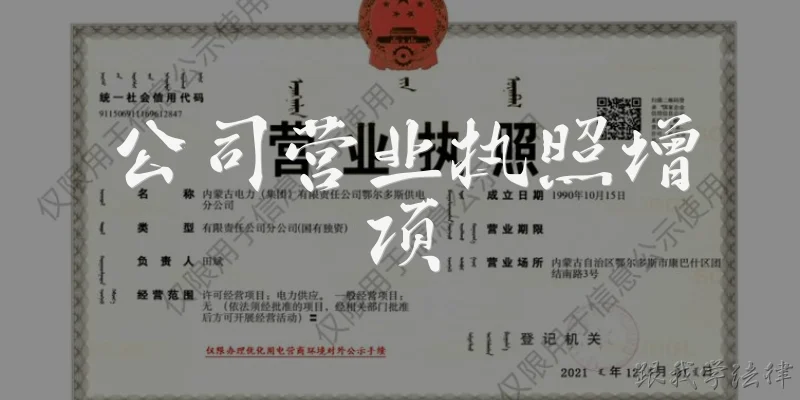
The Role of a Business License:What exactly is the role of a business license in 2026, and why does every company need one?
Q: What exactly is the role of a business license in 2026, and why does every company need one?
A: In 2026, a business license serves as the official permission granted by a government authority that allows an individual or company to operate legally within a specific jurisdiction. Its primary role is to regulate commerce, protect consumers, and ensure that businesses comply with local, state, and federal laws. Without a valid license, a company risks fines, legal shutdowns, and damage to its reputation. Beyond mere legality, a business license establishes credibility with customers, suppliers, and financial institutions. In the digital economy of 2026, many jurisdictions have integrated licenses with blockchain-based verification systems, making it easier for platforms like payment processors and online marketplaces to instantly confirm a business's legitimacy. Additionally, a license often determines tax obligations and zoning compliance. For remote and e-commerce businesses, licenses may now include digital nomad provisions and cross-border operating permissions. Ultimately, the role of a business license is to create a transparent, accountable business environment where both entrepreneurs and consumers are protected, and it remains a non-negotiable first step for any new venture.
Q: How has the role of a business license evolved by 2026, especially with AI and automation in regulatory compliance?
A: By 2026, the role of a business license has evolved from a static paper certificate to a dynamic, digitally managed compliance tool. Governments now use AI-driven systems to cross-reference licenses with real-time data on tax filings, safety inspections, and environmental impact. This means a business license is no longer just a one-time registration; it is continuously updated and monitored. For entrepreneurs, this shift means that maintaining a license requires proactive digital reporting, often through API integrations with accounting and HR software. Many jurisdictions have adopted 'smart licenses' that automatically adjust based on business activities, such as adding a liquor license endorsement when a restaurant begins serving alcohol. The role has also expanded to include data privacy certifications and AI ethics compliance, especially for tech companies. Failure to keep a license current can trigger automated fines or temporary suspensions within hours. Consequently, businesses in 2026 treat their license as a living asset, often managed by dedicated compliance officers or AI legal assistants, ensuring they remain in good standing while focusing on growth.
Q: What are the key consequences of operating without a business license in 2026, and how can a license protect a company?
A: Operating without a business license in 2026 carries severe and immediate consequences. Most jurisdictions have automated enforcement systems that scan public records, online listings, and payment gateways to flag unlicensed operations. Penalties can include hefty fines starting at thousands of dollars, retroactive taxes, and even criminal charges for repeat offenders. Beyond legal punishment, unlicensed businesses face shutdown orders, frozen bank accounts, and permanent bans from government contracts. They also lose access to essential tools like business insurance, which is often required for leases and loans. In contrast, a valid business license acts as a protective shield. It proves legitimacy to customers, enabling them to trust online transactions and physical storefronts. It also unlocks legal remedies, such as the ability to sue for unpaid invoices or enforce contracts. Moreover, a license is a prerequisite for obtaining permits, trademarks, and patents. In 2026, with the rise of decentralized marketplaces and gig platforms, a license is increasingly required to receive payments or qualify for tax deductions. Thus, the license is not just a formality but a cornerstone of business resilience and growth.

Dialogue about
Common scenarios of "The Role of a Business License"
【Entrepreneur】 Hi, I'm thinking of starting a small bakery. I've heard I need a business license. What exactly is a business license?
【Business Consultant】 A business license is an official permit issued by the government that allows you to operate a business legally. It's a requirement for most businesses, including bakeries.
【Entrepreneur】 Why is it so important? Can't I just start selling without one?
【Business Consultant】 Without a license, you'd be operating illegally. You could face fines, penalties, or even forced closure. Plus, it helps build trust with customers and suppliers.
【Entrepreneur】 I see. What are the steps to get a business license for a bakery?
【Business Consultant】 First, you need to register your business structure (e.g., sole proprietorship, LLC). Then, apply for a general business license and any specific permits for food service, like a health permit.
【Entrepreneur】 That sounds like a lot. Do I need to renew it regularly?
【Business Consultant】 Yes, most business licenses need to be renewed annually or biennially. You'll also need to comply with ongoing health inspections and other regulations.
【Entrepreneur】 What happens if I don't renew on time?
【Business Consultant】 You might incur late fees, and if it lapses, you could be shut down until you renew. It's best to keep track of renewal dates.
【Entrepreneur】 Are there different types of licenses for different businesses?
【Business Consultant】 Absolutely. For example, a bakery needs a food handling license, while a construction company needs a contractor's license. Requirements vary by industry and location.
【Entrepreneur】 How do I find out what licenses I need for my bakery?
【Business Consultant】 Check with your local government office, like the city clerk or small business administration. They can provide a list of required licenses and permits.
【Entrepreneur】 Does having a business license help with getting a business bank account?
【Business Consultant】 Yes, banks often require a business license to open a business account. It proves your business is legitimate and registered.
【Entrepreneur】 What about taxes? Does a business license affect that?
【Business Consultant】 A business license itself doesn't determine taxes, but it's part of being a legal entity. You'll need to obtain an EIN and file taxes accordingly.
【Entrepreneur】 Can I get a license online, or do I have to go in person?
【Business Consultant】 Many jurisdictions allow online applications now. Check your local government website for the application process and requirements.