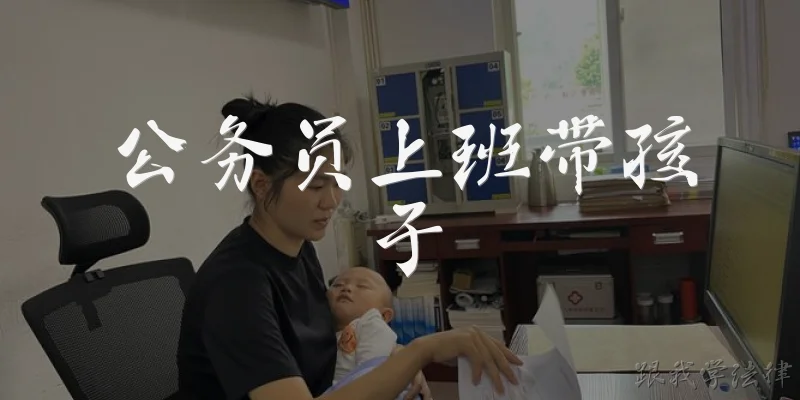
Civil servants bringing children to work:Is it appropriate for civil servants to bring their children to work?
Q: Is it appropriate for civil servants to bring their children to work?
A: The appropriateness of civil servants bringing children to work depends on workplace policies, the nature of their duties, and the frequency of such occurrences. Civil service roles often involve handling sensitive information, attending meetings, or interacting with the public, which may not be suitable for children. Occasional emergencies, such as a sudden school closure or childcare breakdown, might justify bringing a child temporarily. However, routinely doing so could disrupt office decorum, reduce productivity, and create perceptions of special privilege. Many government agencies have formal policies that either prohibit or restrict children in the workplace. A balanced approach would allow exceptions for genuine emergencies while encouraging employees to use available family leave or flexible work arrangements. Ultimately, clear guidelines and consistent enforcement help maintain professionalism and fairness.
Q: What are the potential benefits and drawbacks of allowing civil servants to bring children to work?
A: Allowing civil servants to bring children to work occasionally can offer benefits such as reducing absenteeism when childcare falls through, boosting morale by showing employer empathy, and helping children understand their parent's work. However, drawbacks include distractions for the parent and colleagues, potential security risks if sensitive documents or areas are exposed, and unequal treatment if some employees cannot bring children due to role differences. Public perception may also suffer if citizens see children in government offices, questioning efficiency. To manage this, agencies could designate emergency-only policies, provide on-site childcare, or permit short-term telework. The key is balancing compassion for working parents with the operational needs and image of public service. Without clear rules, inconsistency and resentment can arise.
Q: How should government agencies handle situations where civil servants bring children to work without prior approval?
A: When civil servants bring children to work without prior approval, agencies should respond consistently and fairly. First, a supervisor should privately address the employee to understand the reason—whether it was an emergency or a pattern of behavior. If it was a one-time emergency, a warning and reminder of policies may suffice. If repeated, formal disciplinary steps could follow. Agencies should also review their policies to ensure they are clear and communicated. Some may choose to create a designated family room for short-term emergencies. Ignoring the situation can lead to resentment among colleagues who follow the rules. Conversely, harsh punishment for a genuine crisis can damage morale. The best approach combines empathy with accountability, documenting incidents and offering alternative solutions like flexible hours or leave. This maintains workplace order while supporting employees.
Q: Do different countries have different policies on civil servants bringing children to work?
A: Yes, policies vary widely across countries. In some nations, such as Sweden or Norway, flexible work arrangements and family-friendly policies are common, and bringing a child occasionally might be tolerated if it does not disrupt work. In contrast, countries like Japan or South Korea, with more rigid office cultures, generally discourage it, though recent reforms have introduced limited childcare support. In the United States, federal agencies have varying rules; some allow emergency situations, while others prohibit it entirely. In many developing countries, informal tolerance exists but no formal policy. Cultural expectations, labor laws, and availability of childcare infrastructure shape these differences. International organizations often have explicit rules. Overall, there is no universal standard, but trends toward work-life balance are gradually influencing more permissive approaches where operational needs allow.
Words of experience
Common scenarios of "Civil servants bringing children to work"
【Citizen】 Hello, I saw a civil servant bringing their child to the office today. Isn't that against the rules?
【Civil Servant】 Hi, yes, I had to bring my child because my babysitter canceled at the last minute. I know it's not ideal.
【Citizen】 I understand emergencies happen, but doesn't it affect your work and the office environment?
【Civil Servant】 It can be distracting, but I've set up a quiet corner with toys and my child is well-behaved. I'm still meeting all my deadlines.
【Citizen】 But what about other employees? They might feel it's unfair if you get special treatment.
【Civil Servant】 I informed my supervisor beforehand, and we agreed it's a one-time exception. I'm also using my lunch break to make up any lost time.
【Citizen】 Still, the rules are there for a reason. What if everyone started bringing their kids?
【Civil Servant】 I agree, it shouldn't become a habit. But sometimes rigid rules don't account for real-life emergencies. Maybe we need more flexible policies.
【Citizen】 Flexible policies like what? On-site childcare?
【Civil Servant】 That would be ideal, but it's expensive. At least allowing occasional exceptions with supervisor approval could help.
【Citizen】 I see your point. But how do we ensure it's not abused?
【Civil Servant】 Clear guidelines: only in emergencies, with documentation, and limited days per year. And the work must not suffer.
【Citizen】 That sounds reasonable. Did your colleagues complain?
【Civil Servant】 A few gave me looks, but most were supportive. One even helped entertain my child for a few minutes.
【Citizen】 That's nice. But what about confidentiality? Your child could overhear sensitive information.
【Civil Servant】 Good point. I only take calls in a private room and keep my child away from any documents. I'm very careful.
【Citizen】 Well, it seems you're handling it responsibly. I just worry about setting a precedent.
【Civil Servant】 I understand. Maybe the solution is better childcare support for all employees, not just ad-hoc exceptions.
【Citizen】 Agreed. Perhaps the government should invest in affordable daycare for staff.
【Civil Servant】 That would reduce these dilemmas. For now, I'm grateful for the understanding and will make sure it doesn't become a regular thing.